

Transformers provide stable and efficient power distribution across industrial, commercial and utility operations. Transformer failure can lead to unplanned downtime, safety risks and operational setbacks. Keeping a transformer in good condition maintains efficiency, reliability and long-term cost savings.
Learn why upkeep is essential for electrical transformers.
Benefits of Proactive Maintenance for Transformers
Proactive maintenance helps businesses stay ahead of potential issues to reduce unexpected failures and maintain productivity. Here are the perks of upkeep.
1. Downtime Reduction
When a transformer fails, production lines can grind to a halt, businesses can lose revenue and critical services can be impacted. The costs of lost productivity, emergency repairs and potential equipment failure can add up. Proactive maintenance reduces the risk of these unexpected failures. When businesses conduct regular inspections and test vital components, they can keep their power systems running smoothly.
Additionally, planned maintenance allows businesses to schedule repairs at convenient times to minimize operational disruptions.
2. Equipment Lifespan Extension
Like any piece of machinery, transformers experience wear and tear. Insulating materials degrade, electrical connections loosen and oil can become contaminated. When left unchecked, these issues can accelerate the deterioration of the unit. However, with routine maintenance, these minor problems can be corrected before they cause irreversible damage.
Another crucial factor is load management. Transformers that are constantly overloaded will degrade much faster than those operating within their capacity. A transformer that could have lasted 30 years might only survive 15 if it’s consistently overloaded and poorly maintained. Regularly assessing and adjusting loads helps businesses prevent excessive stress on their systems.
3. Transformer Reliability Enhancement
A well-maintained transformer operates at peak efficiency. However, when maintenance is neglected, transformers become less efficient, which may result in power quality issues.
Inefficiencies can stem from insulation degradation. The insulating materials inside a transformer can break down, reducing their ability to prevent electrical faults. If insulation failure occurs, the transformer may overheat or short-circuit. Regular oil analysis helps businesses detect early signs of insulation breakdown so they can replace or replenish oil before problems arise.
Additionally, transformers rely on oil, fans and radiators to dissipate heat. If these components become clogged with dirt or debris, the system may run hotter than intended. Keeping cooling systems clean and functional is an effective transformer reliability enhancement technique.
4. Safety
A malfunctioning transformer can lead to overheating, oil leaks, electrical arcing or fires. In extreme cases, failures can cause explosions, which puts personnel and infrastructure at risk. Electrical transformer upkeep reduces these hazards by ensuring all parts are functioning correctly.
An important safety check involves inspecting bushings and connections. Loose or corroded connections can create resistance, which can lead to excessive heat buildup and hazards. When businesses routinely tighten, inspect and repair these parts, they can prevent dangerous overheating.
Transformer Maintenance Strategies
Transformer maintenance requires a combination of strategies to keep systems operating at peak performance. Here are some common techniques used to extend the equipment’s lifespan.
Preventive
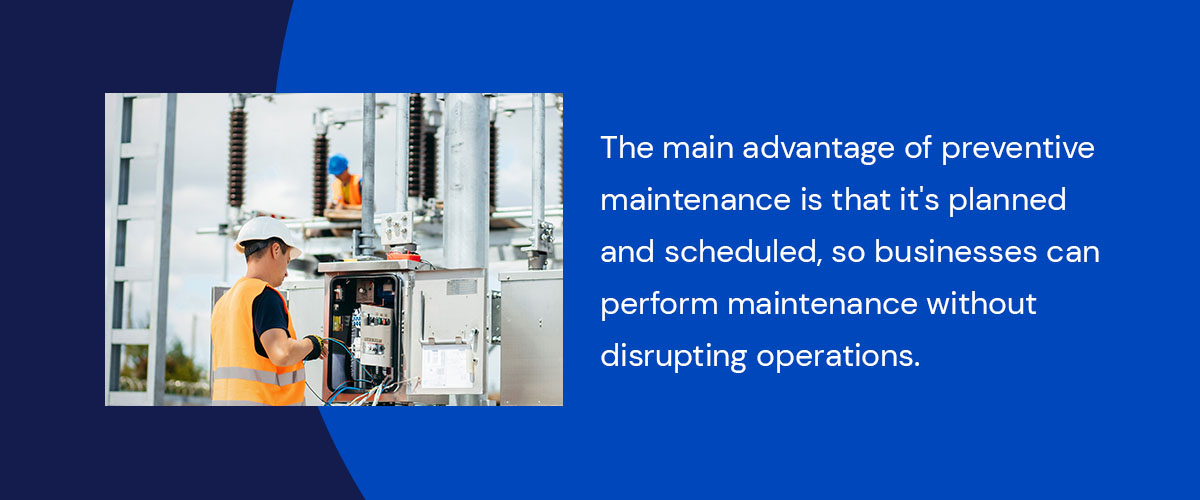
Preventive maintenance for transformers involves routine care so that they remain in good working condition. The main advantage of preventive maintenance is that it’s planned and scheduled, so businesses can perform maintenance without disrupting operations. A preventive maintenance program typically includes:
- Regular visual inspections.
- Tightening of electrical components.
- Cleaning cooling systems.
- Replacing or topping up transformer oil.
- Periodic testing of insulation resistance.
Predictive
Predictive maintenance takes a more advanced approach by using real-time data and diagnostics to detect potential issues. It relies on monitoring systems and condition-based assessments to identify signs of wear, degradation or inefficiency. This type of upkeep includes:
- Dissolved gas analysis (DGA): This test examines the gases present in transformer oil to pinpoint potential faults.
- Temperature monitoring: Maintenance teams use these checks to detect hot spots and reveal overheating connections or cooling inefficiencies.
- Partial discharge testing: This technique is used to identify electrical discharges within insulation materials.
Electrical Transformer Maintenance Best Practices
To keep transformers operating safely and efficiently, businesses need a structured maintenance plan that includes various actions. Some maintenance tasks can be handled in-house, but others require the expertise of professionals who understand the intricacies of transformer diagnostics and repairs.
Here are some best practices and tips to extend the lifespan of your system.
1. Conduct Regular Inspections
Routine visual and operational assessments form the basis of effective transformer maintenance. Here are some transformer inspection protocols:
- Daily or weekly: Look for oil leaks, unusual noises, overheating signs or damaged insulation.
- Monthly: Check fans, radiators and cooling systems for dust buildup or blockages.
- Quarterly: Inspect electrical connections and bushings for signs of wear, corrosion or loose fittings.
- Semiannually or annually: Conduct a comprehensive inspection, including insulation resistance testing and internal components checks.
If anything seems off, consult a professional to diagnose the issue.
2. Perform Oil Analysis and Monitor the Temperature
Transformer oil acts as a cooling agent and insulator to prevent electrical discharge within the unit. In addition to DGA, below are other recommended tests:
- Moisture content analysis to identify water contamination
- Dielectric strength test to measure the oil’s insulating properties
- Power factor to identify power loss in the oil
Excessive temperatures can degrade insulation, cause oil breakdown and lead to mechanical stress. To prevent these issues, monitor temperature using the following techniques:
- Use infrared thermometers to detect hot spots and abnormal heating patterns.
- Have built-in temperature sensors to get real-time readings.
3. Manage Loads and Tighten Electrical Connections
Transformers are designed to handle a specific electrical load. Consistently exceeding this capacity can shorten their lifespan. Do the following to maintain ideal loads:
- Regularly test transformer load to ensure it’s within safe operating limits.
- If demand has increased, consider upgrading to a higher-capacity transformer.
Vibration can loosen electrical connections, which can increase resistance. Regularly check and tighten connections to maintain electrical efficiency. Depending on operating conditions, businesses should perform this step quarterly or annually. If temperature monitors or sensors detect hot spots around connections, it’s best to conduct these checks immediately.
4. Keep the Transformer Clean
Keeping transformers clean and properly housed extends their lifespan. Below are some upkeep tips:
- Keep cooling systems and radiators free of debris to maintain efficient heat dissipation.
- Protect outdoor transformers from direct exposure to extreme conditions using enclosures or shelters.
- Ensure proper drainage around the transformer to prevent water accumulation.

Get a Service Quote from Sunbelt Solomon
At Sunbelt Solomon, we offer full-service transformer solutions to keep operations on track. We provide repairs and maintenance programs to prevent failures. Our team also recycles and reconditions units to give businesses eco-friendly alternatives while reducing waste.
When replacement is the best option, we have a vast inventory of transformers available for purchase or rental. With over 100 years of experience, engineering expertise and a commitment to the Institute of Electrical and Electronics Engineers (IEEE) safety standards, we ensure that every transformer we service meets the highest performance and reliability benchmarks.
Get in touch with us today for a service quote.