

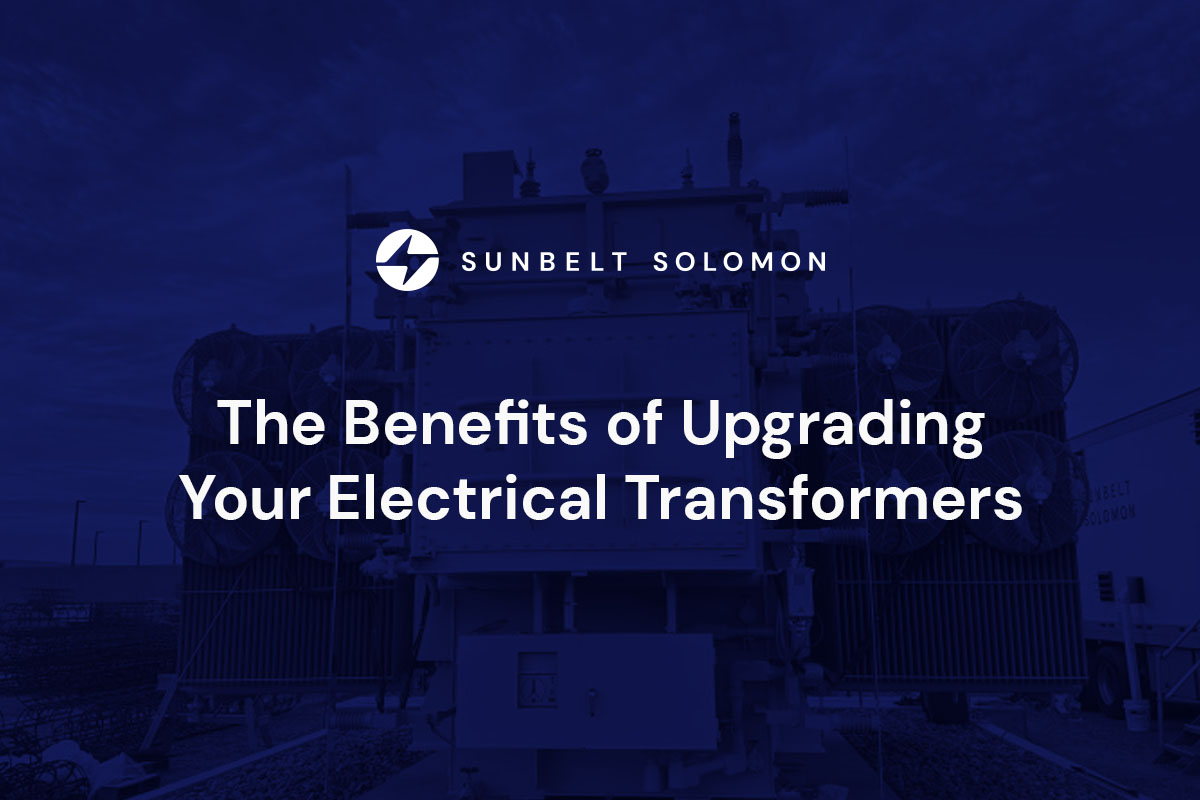
Transformers are generally built to be reliable and long-lasting. However, as systems age and power demands shift, they reach a point where performance and efficiency decline. This inadequacy might affect uptime, safety or costs for industrial, utility and commercial operations.
If you’re managing critical operations, you may try balancing performance with long-term strategy. Transformer upgrades might not be urgent, but they can become essential when older units limit your capacity, efficiency or compliance.
Discover nine transformer upgrade benefits below.
1. Cost Savings
Older power systems leak energy through inefficient cores and windings. Modern transformers improve efficiency, which can result in lower utility bills. Upgraded systems optimize how loads are distributed and handled, avoiding overutilization issues that waste power.
Modern units also reduce the need for reactive maintenance, allowing your team to focus on planned tasks. While the cost of upgrading electrical transformers varies depending on configuration and capacity, the long-term savings in efficiency and uptime may outweigh the initial expense.
2. Provides Reliability and Performance
A transformer should deliver stable and efficient power. However, aging transformers weren’t built to endure the demands of modern infrastructure. They might struggle with handling variable loads, harmonics from electronic devices or energy coming in from renewable sources.
Newer transformers can address these challenges. With tighter voltage regulation, better insulation and improved cooling systems, they reduce the likelihood of failure and support predictable performance. For businesses managing critical infrastructure, upgrading is a strategic move toward dependable, high-efficiency power delivery.
3. Supports Sustainability Goals
Some organizations may want to reduce environmental impact because of stakeholder expectations or environmental, social and governance (ESG) reporting. Electrical transformer upgrades support sustainability in the following ways:
- Lowers carbon footprint: A more efficient transformer means less energy waste and reduced greenhouse gas emissions.
- Uses safer materials: Manufacturers and service providers avoid using hazardous insulating fluids and employ materials with longer service lives and lower environmental risks.
- Aligns with circular economy practices: Some manufacturers and service providers offer reconditioning, recycling and buy-back programs to responsibly handle legacy equipment.
These practices help with regulatory compliance and show customers and communities you’re committed to environmental conservation.
4. Boosts Energy Efficiency
Older transformers operate with a lower efficiency rating, which may result in considerable energy loss, especially for high-load operations. Energy lost as heat stresses components and can accelerate wear, increase the risk of failure and contribute to system inefficiencies.
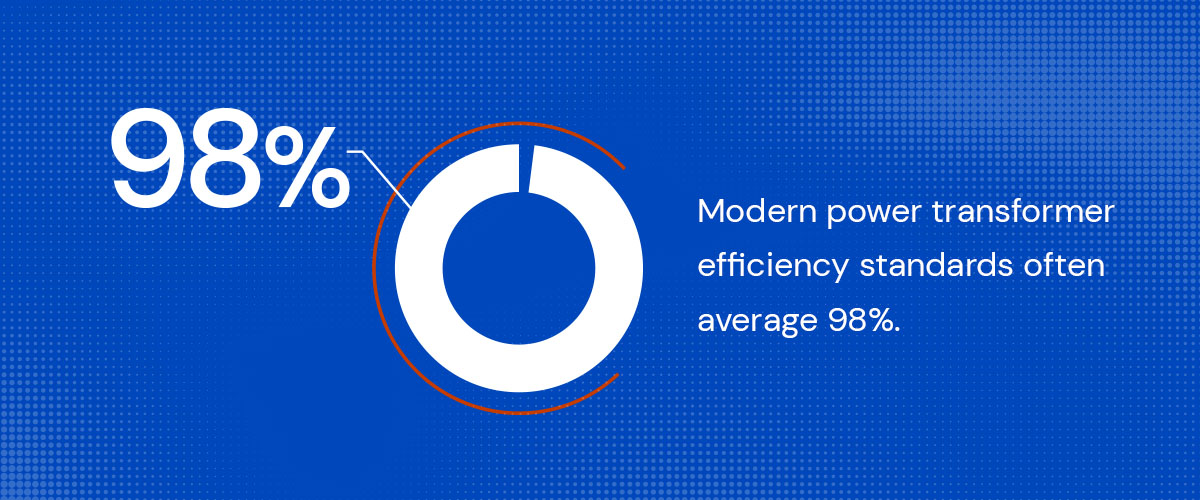
Modern power transformer efficiency standards often average 98%. When transformers run more efficiently, less energy is lost, so critical systems don’t have to work as hard to manage excess thermal loads.
Better energy flow stabilizes performance for heating, ventilation and air conditioning (HVAC) systems, lighting and high-end machinery. In utility-scale or grid-connected environments, high-efficiency transformers can support regional energy stability. As energy costs rise, the ability to do more with less becomes advantageous.
5. Promotes Safety
Aging systems may pose safety risks when insulation deteriorates or older cooling systems become unreliable. Modern transformers are engineered to meet the Institute of Electrical and Electronics Engineers (IEEE) and other relevant regulatory standards. Manufacturers incorporate safety features that reduce the likelihood of fire, oil leaks or equipment failure.
Improved monitoring tools also provide early warning signs, which gives teams more time to respond to any issues. Investing in a safer transformer helps protect employees, property and long-term operational integrity.
6. Reduces Maintenance
Aging transformers may impact productivity. They may require frequent check-ins, unexpected service and time spent sourcing obsolete parts. Newer systems are built for predictability. They last longer, break down less and have digital monitoring tools that help teams avoid failures. These capabilities free up maintenance crews to focus on higher-value work.
7. Caters to Growing Demands
Today’s power needs are constantly changing. Demand shifts from automation upgrades to expansions and increased reliance on digital systems. Older transformers may struggle to keep up when loads spike or operational complexity increases. Upgraded systems can be configured to handle higher loads. Some may be tailored to work with modern voltage controls and integrate with smart grids. This flexibility makes it easier to adapt as your infrastructure evolves.
8. Reduces Downtime
Unplanned downtime can impact an organization’s finances and reputation. For some industries, being offline may result in lost revenue, delayed deliveries or compliance issues. Aging transformers are prone to failure because of faulty components. Newer transformers reduce risk by offering better reliability, smarter diagnostics and designs that tolerate fluctuations.
9. Maintains Compliance
Whether it’s the Occupational Safety and Health Administration (OSHA) mandates, local utility codes, or environmental and energy-efficiency regulations, regulatory standards around electrical infrastructure continue to evolve. Businesses operating with outdated transformers may fall short on audits, inspections or permitting requirements.
Modern units can meet the latest codes. Features like improved grounding, leak containment and digital monitoring help organizations align with industry standards. For industries where regulatory noncompliance can cause penalties or reputational damage, transformer upgrades provide peace of mind.
Why Upgrade Transformers?
While older transformers may still work, there might be gaps between legacy capabilities and current demands. Here’s why organizations should reevaluate and upgrade their power infrastructure:
- To manage capacity and load: Modern facilities draw more power and run on sophisticated systems. Upgrading gives you a solution that’s sized to your actual usage.
- To replace aged units: Transformer performance naturally degrades with time. While transformer maintenance and upgrades can extend the life of your equipment, they might not solve core inefficiencies or meet compliance standards. An electrical transformer replacement restores your infrastructure and reduces downtime, maintenance costs and equipment failure.
- To access relevant units for your needs: You can get the right size, type and model for your operations. Alternatively, a reconditioned transformer can be configured to meet modern requirements for a cost-effective unit.
- To gain professional expertise and support: When you upgrade, partner with a team that can customize solutions to meet your environment, including matching voltage, phasing, cooling methods and controls with your existing systems. Look for a provider that offers rapid turnaround so you can get operations running as expected.

Upgrade Your Transformer With Sunbelt Solomon
Sunbelt Solomon has over 100 years of experience helping businesses modernize their power infrastructure. We help them improve efficiency, meet load demands and future-proof energy equipment. Our team delivers complete, configured solutions that address various industry challenges and environmental goals.
From our vast inventory of transformers to full-service maintenance, repair, rental and recycling programs, we provide the flexibility that modern power systems need. We back this service with the speed and support you need and units that align with IEEE safety and performance standards.
Contact us today for commercial, utility and industrial transformer upgrades.